The alarm sound is a sharp “ticking” sound, which is particularly harsh in the empty colonies. In _Oxygen Not Included_, I am not exploring alien planets, but operating a fragile glass bell cover 2,000 meters underground. At first, everything was in order: the algae converter spit out oxygen, the wires transmitted electricity, and the flush toilet discharged the sewage into the purification pool. I thought that was all.
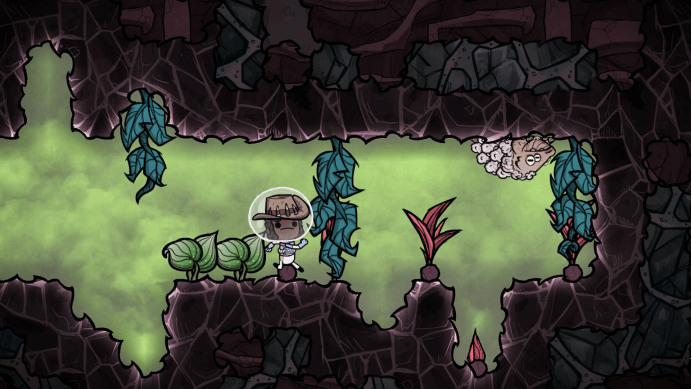
Until the third day, I noticed that the villain’s breathing began to turn into a short gasp. An inconspicuous number in the corner of the screen is slowly falling: oxygen concentration, 15g/unit. I took a closer look and finally saw the algae converter that I had high hopes for. Because the surrounding carbon dioxide concentration was too high, the efficiency had been halved. And the exhaust gas that fills the base is settling heavily in the lower floor of the living room, like a pool of invisible stagnant water.
The maintenance has begun. This is not a one-time repair, but a never-ending tuning. I must immediately design a gas circulation pipeline: use a gas pump to pump out the carbon dioxide from the bottom and guide it to the algae farm; at the same time, build a separate closed room for the converter to input relatively pure oxygen. If the pipe is laid incorrectly, the gas will flow back; if the power load is miscalculated, the whole system will be paralyzed in the middle of the night. When I finally saw the light blue color representing oxygen and the dark green color representing carbon dioxide, circulating steadily along the designed path in the transparent pipe, I heard “silence” for the first time in this alien world — that was the reassuring and low buzz when all systems were running smoothly.
However, maintaining this silence has become a new job in itself. I learned to read those jumping numbers and curves, like the score: hydrogen accumulates on the roof, and a separate exhaust fan needs to be installed; the water temperature rises by 0.5 degrees, which may mean a decrease in the efficiency of the cooling cycle. Every fine-tuning is a dialogue with this closed ecosystem. I’m not its master, I’m its tuner, tightening those invisible strings day after day, just to make it sound the same continuous and stable tone.
Another maintenance site, without the pressure of survival, turns the repetition itself into a path to calm. In _House Flipper_, I took a dirty door key. The situation in the house is a disaster: the walls are covered with graffiti, the floor is piled up with rotten takeaway boxes, and the window glass is covered with a layer of oil stains. The task is very simple: make it new.
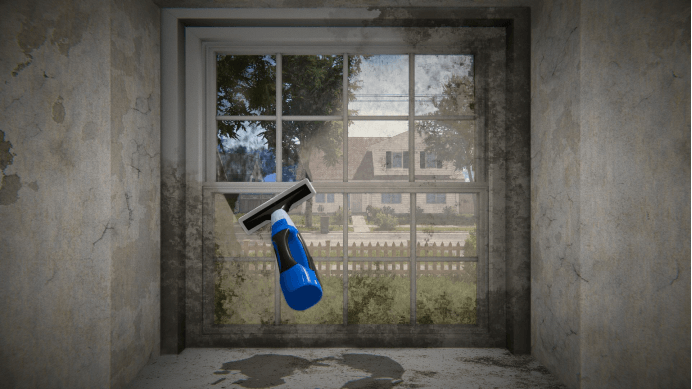
I picked up the high-pressure water gun and aimed it at the first wall. In the hiss of the current, the cheap purple paint covering it began to peel off, revealing the originally clean white plaster underneath. This is a primitive and direct feedback. Next, scrape off the chewing gum on the floor and wipe the oil on the stove again and again with disinfectant. There is no exciting plot, only the repeated soreness of the arm, and a small piece in front of the surface that restores its original appearance.
When the dirtiest part is cleaned up, the real “maintenance” really begins. I fill the cracks in the wall with a scraper, and the movements must be light and even. I painted the window frame with new paint, the first time the base color, and the second time the cover. This process is amazingly slow. You have to wait for the first time to dry before you can do it for the second time. In between waiting, I did nothing but watch the sun shine on this brand-new white. The drying process was almost visible to the naked eye, as if time itself had a texture.
Finally, I stood at the door and looked back at the once disgusting space. Now, it is bright and tidy, emitting the smell of pine cleaner and fresh paint. I didn’t win any awards and didn’t unlock the new area. The only reward is the space itself — a solid order saved from chaos.
Turn off the game and look around my apartment. There is a cup to be washed in the sink, and the desk is covered with a thin layer of dust. I have tried to avoid these trivial “maintenance” work and regard them as the enemy of creativity. But now, I seem to be able to see another meaning through them.
Isn’t our life a huge “maintenance” project? Maintain health, maintain relationships, and maintain inner order. They rarely bring pioneering pleasure. They are more like in silence, straightening the tilted things again and again and polishing the dusty surface. We worship construction and breakthrough, but we often despise maintenance, thinking that it is trivial, repetitive and lacks glory.
But these games reveal a secret: maintenance is the most profound rhythm of existence. It is a small but firm ritual to resist the increase of entropy. In the process of unblocking the virtual pipes and painting the virtual windows for the second time, what we practice may be a crucial attitude towards life: how to stay focused in the long and seemingly repetitive time and see the clarity and cleanliness that is slowly generated and emerges from the chaos. The real strength and calmness may be hidden in this gentle persistence day after day, which saves things from disintegration.